Wildflower
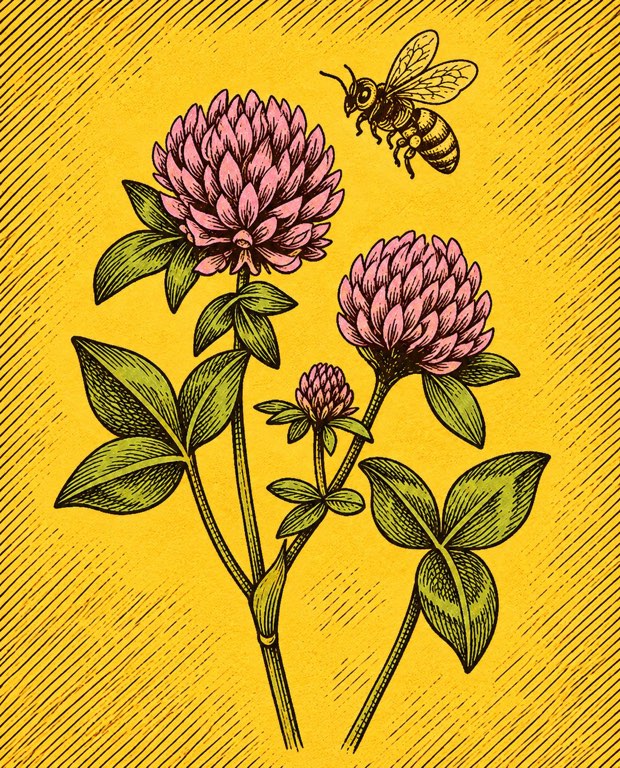
From the natural plants and trees along the Everglades and around Homestead. Whatever is in bloom within three miles of the hive, the bees bring home.
- Where
- Everglades & Homestead
- Forage
- Wild plants and trees
100% raw, unfiltered and unheated honey.
From 1,000 hives in South Florida, Homestead to the Keys. Never blended.
Shop Honey
Looking for another size? See all honey.
Raw honey.
That's the whole list.
| Good Karma Honey | Store-bought |
|---|---|
| Never heatedSpun out of the comb and packed. No heat at any step. | PasteurizedHeated to a high temperature so it stays liquid on the shelf for longer. The heat breaks down honey's natural enzymes and dulls its flavor. |
| Pollen left inOnly strained to lift out bits of wax. The pollen carries proteins, vitamins and antioxidants from the flowers, and it is the fingerprint that shows where a honey came from. | Filtered clearFine filtering takes out the pollen, along with the specks of beeswax and propolis. Without the pollen, where a honey came from is much harder to prove. |
| All South Florida1,000 hives, Homestead to the Keys. Never blended. 100% American honey. | BlendedOften mixed from more than one country, where the standards for keeping bees and handling honey are not always what they are here. Check the back label. |
| Sets over timeReal honey crystallizes. That is how you know. | Made to stay runnyProcessed so it looks the same for years. Some are cut with corn syrup or other sweeteners. |
“In 2025, 78 percent of U.S. honey supply was derived from imported sources, most frequently from India, Argentina, Brazil, and Vietnam.”
Ours comes from 1,000 hives in South Florida, Homestead to the Keys.
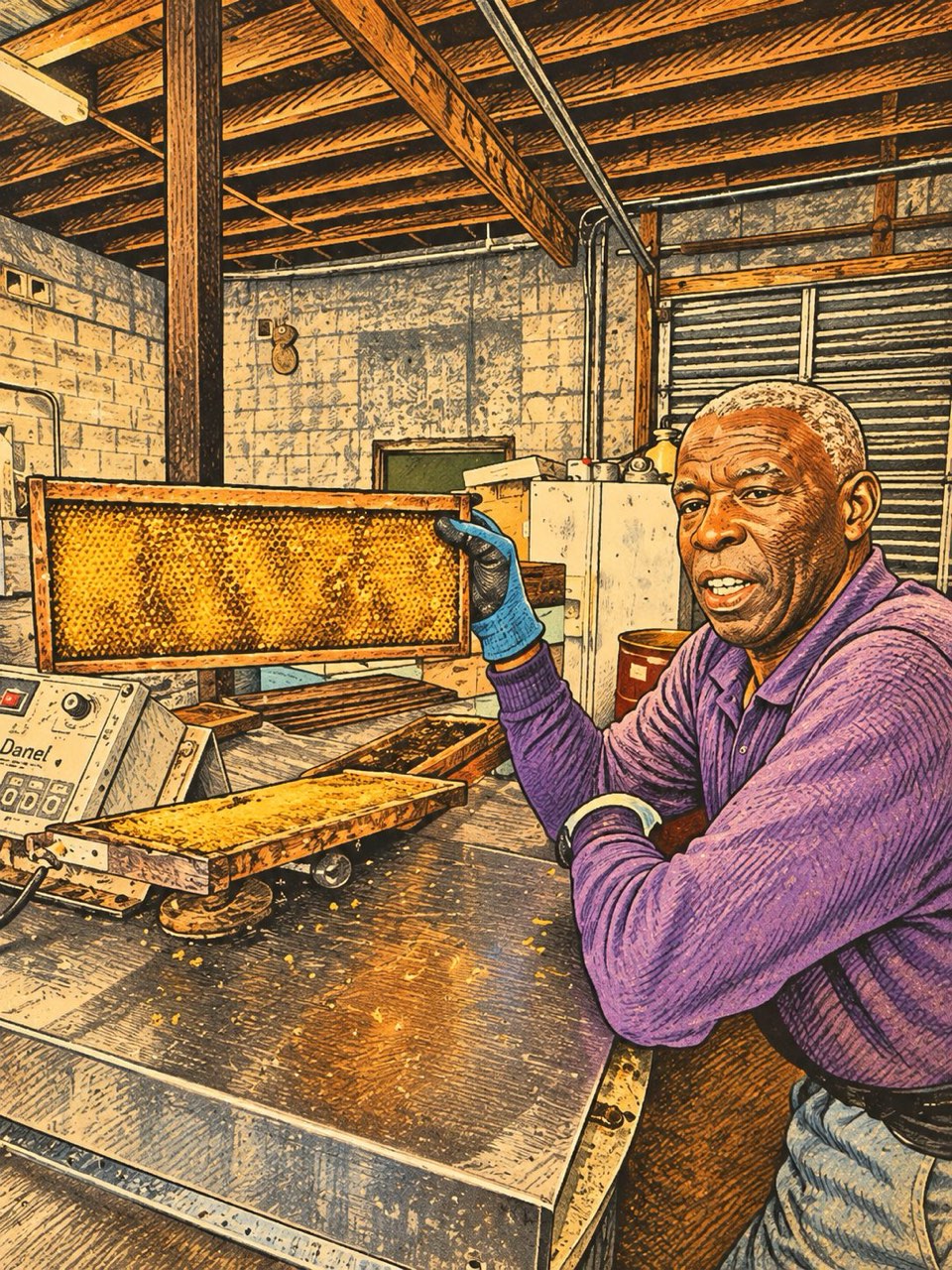
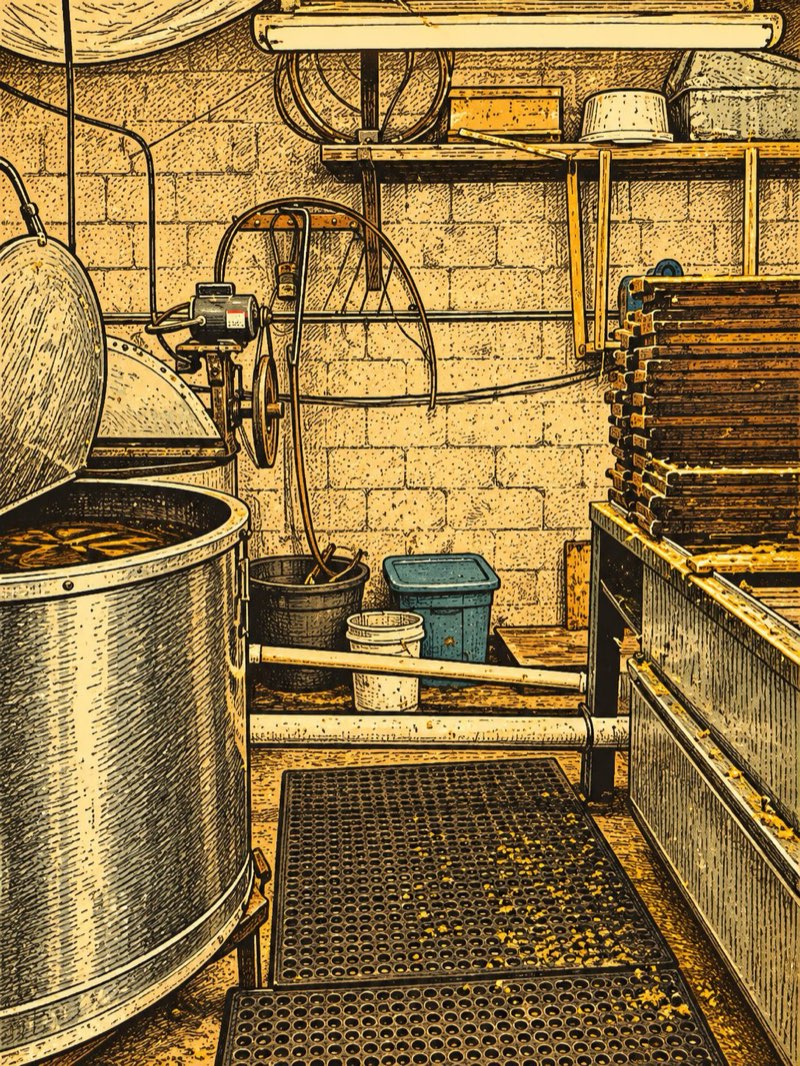
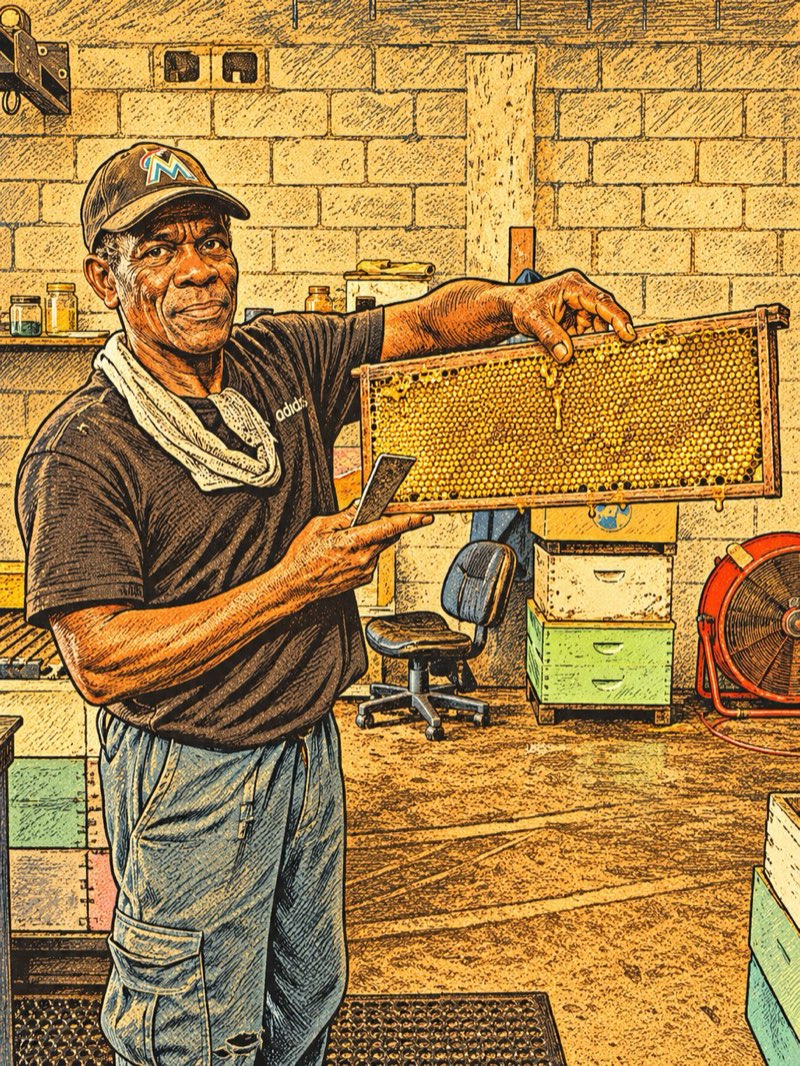
Our honey comes from 1,000 hives across 12 apiaries in South Florida, from Homestead down to the Keys, kept by a team of 10 beekeepers who love their bees. They have been at it for more than 40 years. Frames come in, the comb gets uncapped and finished by hand, the honey is spun out and packed. No pasteurizing. No corn syrup. Nothing between the bees and you.
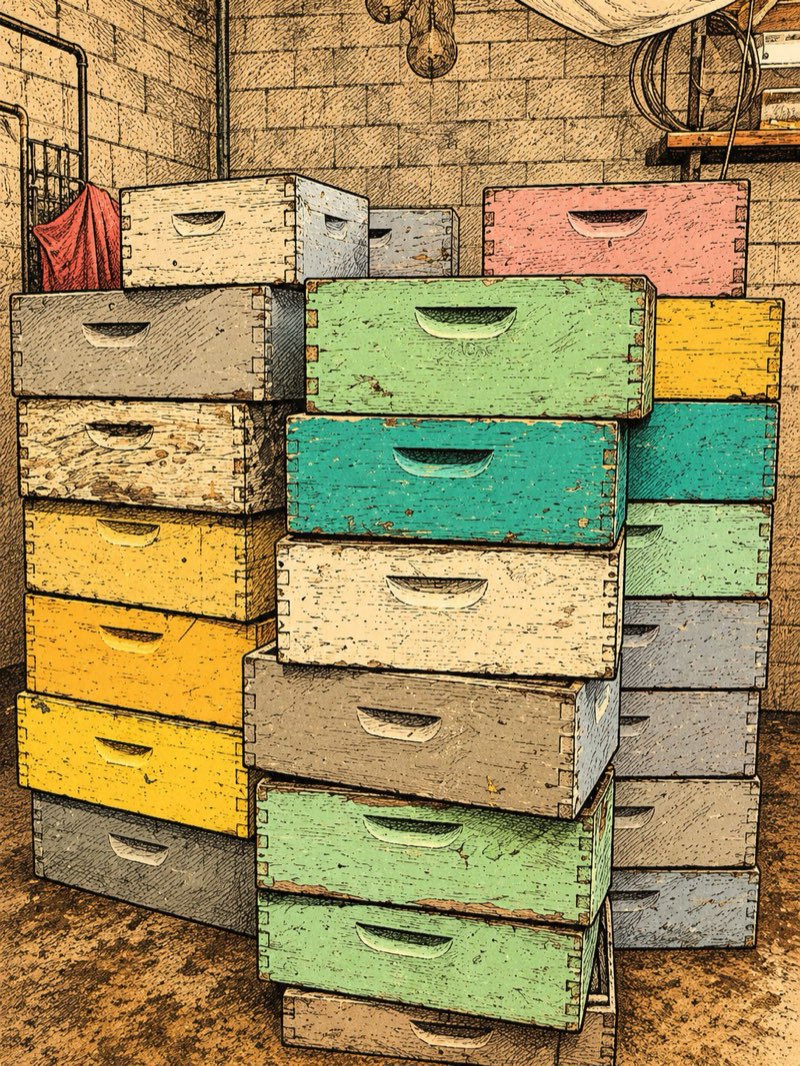
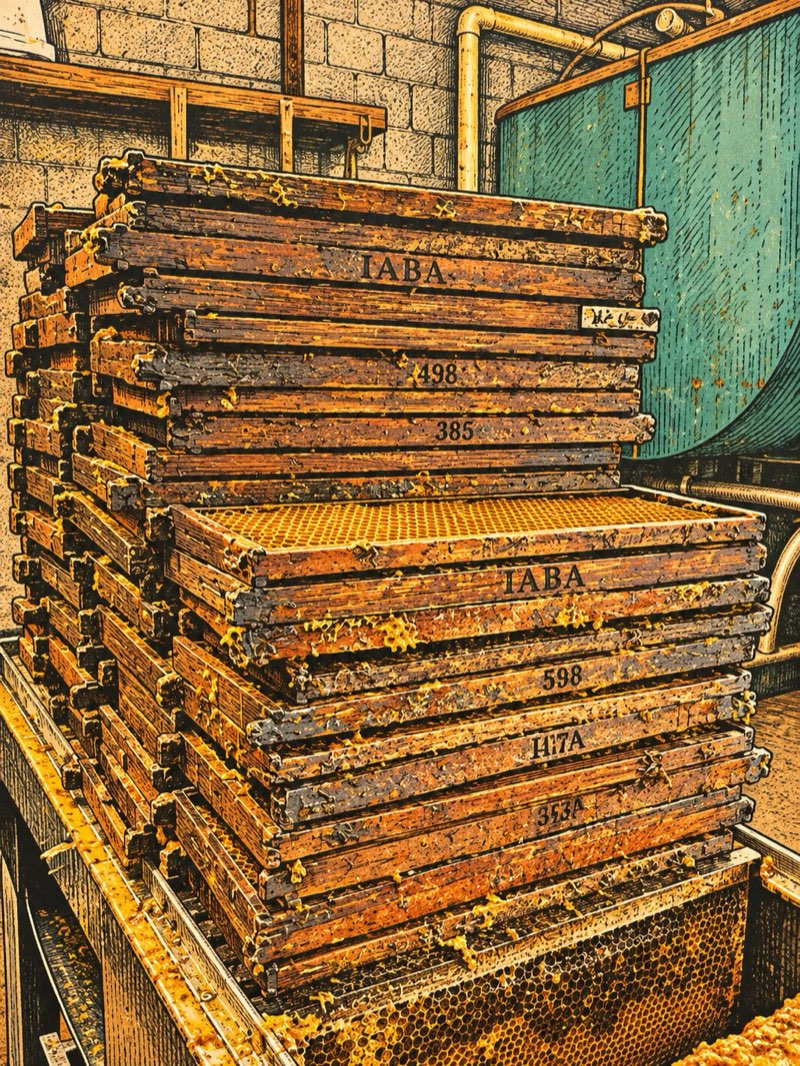
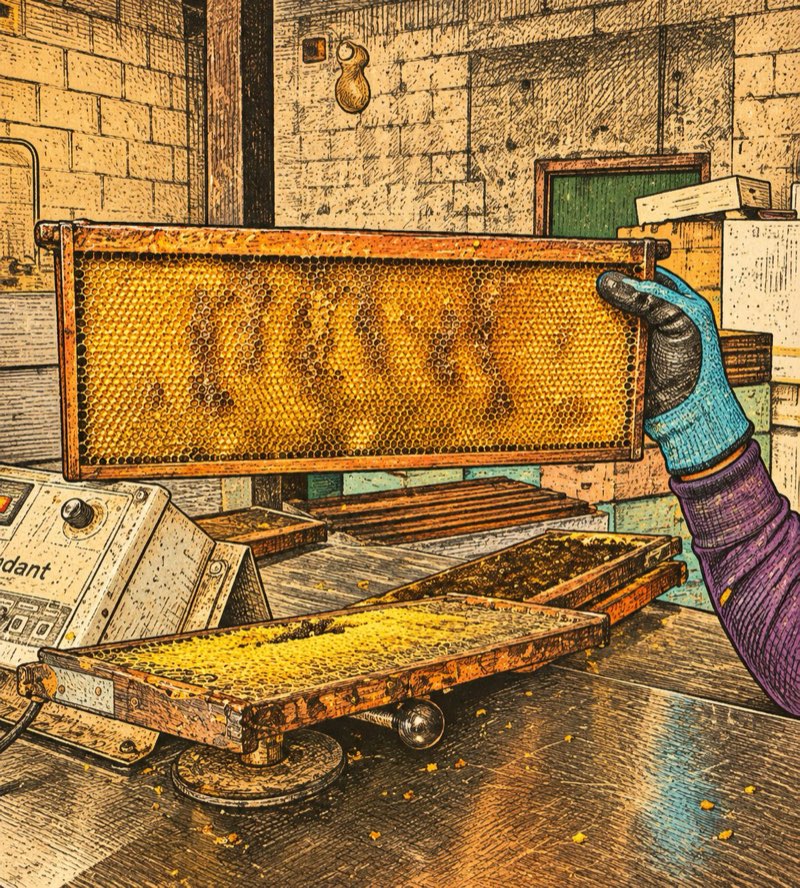
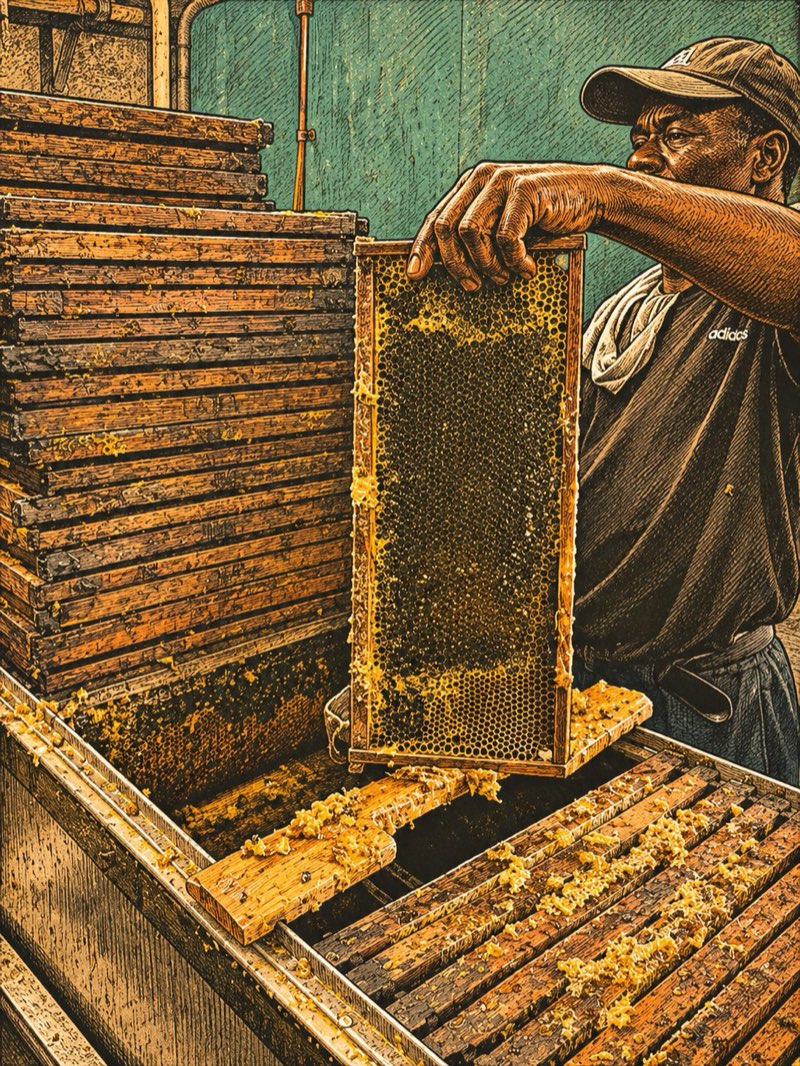
From the natural plants and trees along the Everglades and around Homestead. Whatever is in bloom within three miles of the hive, the bees bring home.
From the Florida Keys, where the mangroves grow wild. No big farms, no pesticides, no fertilizers. Where these hives sit, nobody even sprays for mosquitoes, and nobody tends the trees.
Brazilian pepper tree, queen palm and melaleuca: the paperbark tree, a cousin of manuka, brought here from Australia over a century ago. It flowers in the fall, and the honey comes out bittersweet.
Every packet and jar carries a little saying. Read it, pass it on, spread good karma.
Wholesale packets, jars and bulk raw honey.
Apply hereMost honey on a store shelf has been heated and fine filtered so it pours fast and stays clear, and a lot of it is a blend from more than one country. Ours is none of those things. It comes from 1,000 hives in South Florida, Homestead to the Keys, and goes from the comb to the packet or jar the way the bees made it. No pasteurizing and no corn syrup.
Raw means the honey is never heated or pasteurized. It goes from the comb to the packet or jar the way the bees made it.
Unfiltered means the natural pollen stays in the honey. We only strain it to lift out bits of wax. You may still see tiny flecks. That's how you know it's the real thing.
From 1,000 hives across 12 apiaries in South Florida, from Homestead down to the Keys, kept by a team of 10 beekeepers. The operation has been running for more than 40 years. It is never blended with honey from anywhere else.
It depends on the honey. Wildflower comes from the natural plants and trees along the Everglades and around Homestead. Mangrove comes from the wild mangroves of the Keys, harvested February to August. Fall Harvest, September to November, is Brazilian pepper tree, queen palm and melaleuca. A bee travels up to three miles from her hive, so each honey tastes like the place it was made.
Yes, and it is a good sign. Honey has to crystallize to be real. Ours does because nothing has been done to stop it. Set the jar in warm (not hot) water and it loosens right back up.
Room temperature, lid on, out of direct sun. No fridge needed.
No. Honey of any kind is not for infants under 12 months old.
Yes. Packets, jars and bulk. Apply here.
Same policy as the honey. Nothing added that you didn't ask for.